
smartbuildingmag.com
30
'26
Written on Modified on
Danfoss Launches D353 Plate Heat Exchanger for Critical Data Centers
Engineered for demanding AI infrastructure and data facilities, this compact cooling solution maximizes space efficiency, enhances thermal performance, and simplifies ongoing maintenance across critical operations.
www.danfoss.com
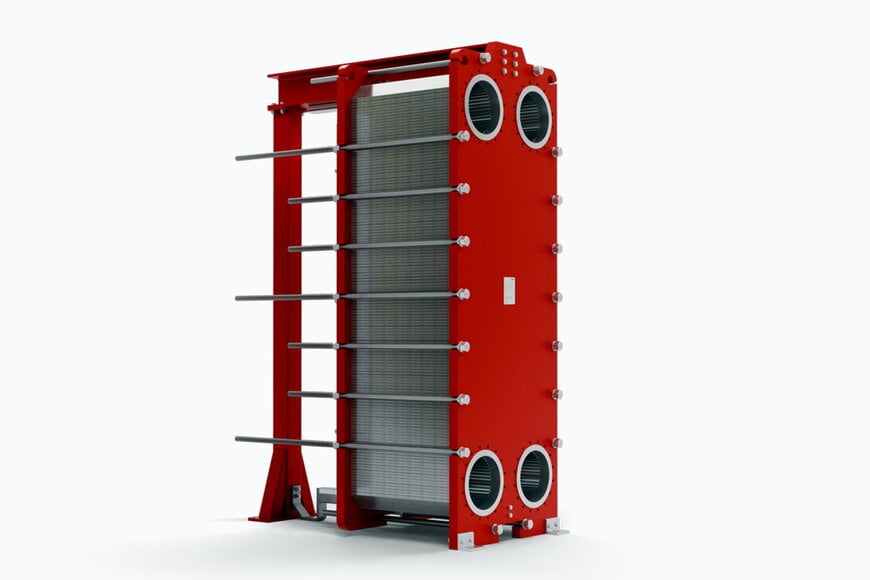
High-density computing facilities and expanding artificial intelligence workloads generate substantial thermal loads that require high-performance liquid cooling systems capable of operating within restricted equipment footprints. In critical thermal management infrastructures, heat dissipation efficiency and continuous uptime depend heavily on plate heat exchanger performance, where physical space constraints and complex maintenance requirements often create operational challenges.
Thermal Management Challenges in High-Density Processing
Data center infrastructure managers and industrial plant operators face persistent difficulties when integrating high-capacity liquid cooling into existing plant footprints. As compute cluster power densities rise, cooling systems must handle larger volumetric fluid flows and narrower approach temperatures without occupying floor area designated for IT white space or critical mechanical equipment.
Beyond spatial limitations, maintaining gasketed heat transfer assemblies in continuous operations presents engineering hurdles. Plate pack inspections, gasket replacements, and chemical cleaning cycles frequently involve complex rigging, risk of plate misalignments, and lengthy downtime that compromises system redundancy in mission-critical facilities.
Operating Principles and Mechanical Design of the D353
The Danfoss D353 addresses these deployment constraints through a redesigned frame geometry that reduces overall structural height and physical footprint while maintaining required heat transfer surface areas. The unit functions by directing alternating hot and cold fluid streams across corrugated alloy plates sealed with resilient elastomer boundaries, facilitating counter-current convective heat transfer between secondary IT cooling loops and primary facility chilled water or heat rejection loops.
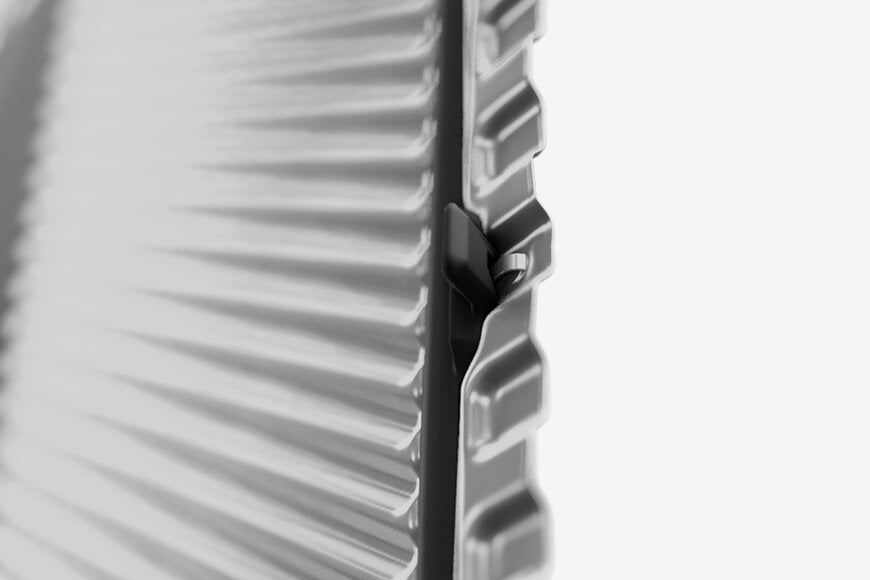
To resolve typical servicing delays, the unit integrates several proprietary mechanical features. The D-Lock gasket fixation system stabilizes elastomer seals within the plate pressing channels to ensure reliable resealing and reduce the likelihood of gasket displacement under fluid flow. The mechanical assembly utilizes ArcCompact plate suspension along with guided plate alignment mechanisms and an internal roller system, allowing field service technicians to open the plate pack, perform internal washdowns or plate replacements, and retighten tie-bolts with minimal structural resistance.
Industrial Application Environments and Hydraulic Flexibility
While engineered specifically for data center chilled water distribution loops and liquid-to-liquid isolation stages, the D353 accommodates other thermal processes characterized by high dynamic loads or spatial limitations. The unit supports elevated operating pressures across standard plate thicknesses, expanding its structural threshold for:
High-density compute and dedicated artificial intelligence infrastructure cooling loops
Offshore marine processing platforms requiring tight mechanical footprints and corrosion resistance
Geothermal district cooling and heating extraction loops operating under elevated static head pressures
Industrial process cooling requiring verified thermal ratings and regular plate inspection schedules
The capability to withstand higher design pressures without increasing plate wall thickness preserves high thermal conductivity across the boundary layer, preventing the parasitic pumping power losses commonly associated with heavier structural plates.
Additional Context
This section details technical specifications and competitive benchmarking not included in the original product announcement.
In liquid cooling architectures for high-performance computing, plate heat exchangers typically follow standards such as ASME Section VIII Division 1 or EN 13445 for pressure vessel construction, with thermal performance verification frequently benchmarked against AHRI 400 (Liquid to Liquid Heat Exchangers).
Industrial gasketed plate heat exchangers in this category compete primarily against established models from Alfa Laval and Kelvion. Conventional units handling comparable volume flow rates often require dedicated external rigging beams and extensive clearance perimeters to pull back heavy pressure plates during service cycles. Incorporating integrated internal rollers and interlocking gasket grooves represents an engineering trend toward lowering labor hours during turnaround times and minimizing the risk of uneven tie-rod tightening, which remains the leading cause of hydraulic gasket failure and leakage in critical cooling loops.
Edited by Evgeny Churilov, Induportals Media - Adapted by AI.
www.danfoss.com
