
smartbuildingmag.com
21
'26
Written on Modified on
DC-optimized solar infrastructure for grid-based energy allocation
SolarEdge provides module-level photovoltaic optimization hardware to support virtual storage frameworks across multi-tenant commercial real estate in Germany.
www.solaredge.com
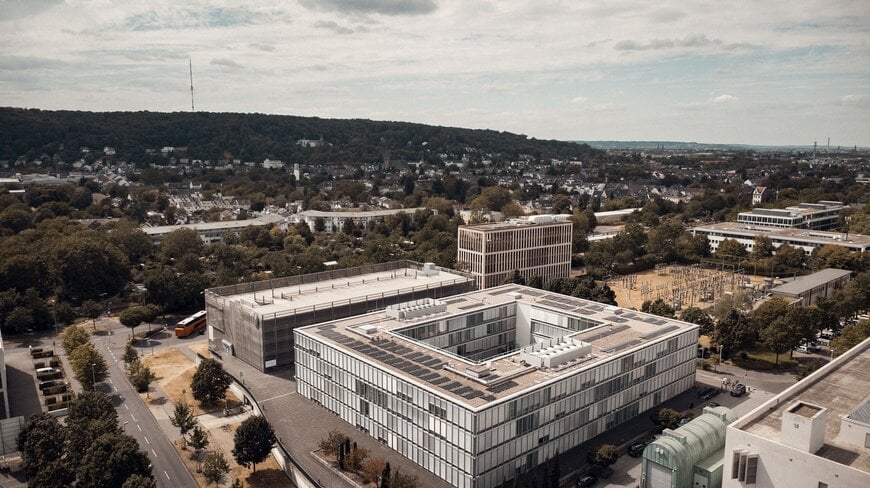
New Solation multi-tenant PV installation in Bonn – the first commercial building in Germany able to donate excess solar power to charity. Photo courtesy of Tobias Blaser
SolarEdge is deploying DC-optimized photovoltaic systems to support a virtual energy storage framework developed by Solation and PATRIZIA. This hardware integration establishes Germany's first building capable of maximizing on-site power consumption while systematically allocating surplus electricity to external charitable facilities via the regional grid.
Target Industries and Technical Use Cases
The technical framework targets the commercial real estate sector, specifically multi-tenant office properties operating under Germany's Mieterstrom regulatory structure. The primary use case involves maximizing local photovoltaic yields for building tenants while creating a deterministic mechanism to divert excess energy generation. By embedding this hardware and digital allocation model into the property's operational structure, commercial smart building systems can transfer surplus electricity to nearby organizations without relying on standard utility feed-in tariffs or requiring the installation of physical battery infrastructure.
Grid Complexity and Cooperation Drivers
Implementing targeted energy distribution required cooperation to align physical solar hardware with complex grid accounting systems. Historically, commercial properties lacked the legal and technical digital infrastructure required to allocate surplus electricity to specific external recipients. The partnership addresses this structural limitation by combining the virtual storage digital accounting developed by Solation, the property portfolio managed by PATRIZIA, and the high-yield generation hardware supplied by SolarEdge.
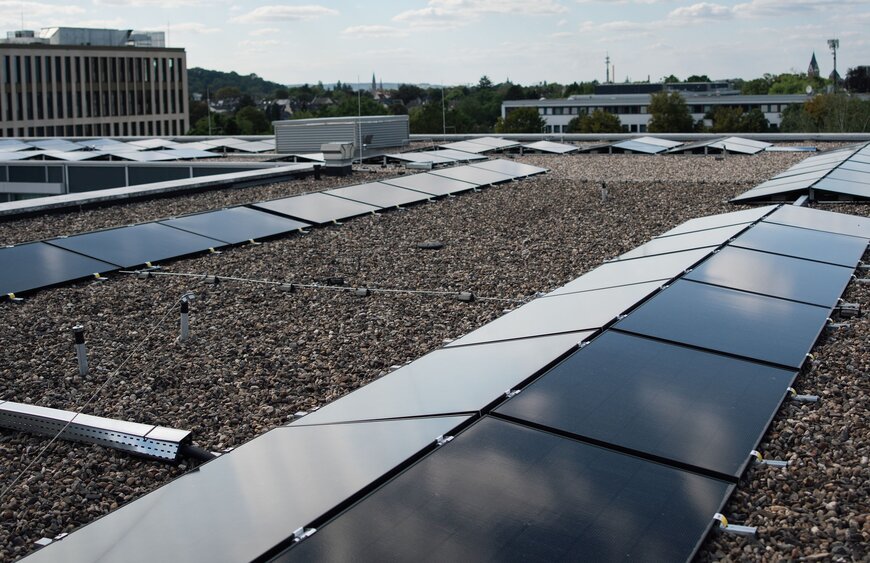
SolarEdge PV systems use Power Optimizers to overcome the limitations of traditional string inverters to generate higher energy yields for the building owner, tenants and local charity. Photo courtesy of Tobias Blaser
System Architecture and Responsibilities
The technical solution relies on DC-optimized solar systems equipped with module-level Power Optimizers. These optimizers mitigate performance losses caused by localized shading or panel mismatch, maximizing the raw kilowatt-hour output available for both internal consumption and external allocation. Solation operates this hardware infrastructure on rooftops leased from PATRIZIA, utilizing the regional grid as a theoretical battery to track and credit surplus energy against the electricity demand of external recipients. SolarEdge’s hardware also incorporates rapid shutdown protocols to maintain compliance with commercial fire safety standards.
Deployment and Operational Logistics
The initial deployment is located at a commercial property in Bonn, officially operating as Germany's first building to implement this specific grid-based donation model. Under the operational parameters, approximately 90 percent of the generated electricity is consumed by the building's tenants, while the remaining capacity is algorithmically allocated to a local charitable organization. The recipient facility must be located within a 4.5-kilometer radius of the generation site, utilize a smart meter for precise consumption tracking, and consume over 100,000 kilowatt-hours annually.
Strategic Perspectives
Karl Viertel, GM Enterprise Services Group at SolarEdge, noted: "As Solation's technology partner, our role is to help ensure every rooftop generates as much energy and value as possible, while providing the advanced safety capabilities that are critical for commercial buildings."
Edited by Aishwarya Mambet, Induportals Editor, with AI assistance.
www.solaredge.com
SolarEdge is deploying DC-optimized photovoltaic systems to support a virtual energy storage framework developed by Solation and PATRIZIA. This hardware integration establishes Germany's first building capable of maximizing on-site power consumption while systematically allocating surplus electricity to external charitable facilities via the regional grid.
Target Industries and Technical Use Cases
The technical framework targets the commercial real estate sector, specifically multi-tenant office properties operating under Germany's Mieterstrom regulatory structure. The primary use case involves maximizing local photovoltaic yields for building tenants while creating a deterministic mechanism to divert excess energy generation. By embedding this hardware and digital allocation model into the property's operational structure, commercial smart building systems can transfer surplus electricity to nearby organizations without relying on standard utility feed-in tariffs or requiring the installation of physical battery infrastructure.
Grid Complexity and Cooperation Drivers
Implementing targeted energy distribution required cooperation to align physical solar hardware with complex grid accounting systems. Historically, commercial properties lacked the legal and technical digital infrastructure required to allocate surplus electricity to specific external recipients. The partnership addresses this structural limitation by combining the virtual storage digital accounting developed by Solation, the property portfolio managed by PATRIZIA, and the high-yield generation hardware supplied by SolarEdge.
SolarEdge PV systems use Power Optimizers to overcome the limitations of traditional string inverters to generate higher energy yields for the building owner, tenants and local charity. Photo courtesy of Tobias Blaser
System Architecture and Responsibilities
The technical solution relies on DC-optimized solar systems equipped with module-level Power Optimizers. These optimizers mitigate performance losses caused by localized shading or panel mismatch, maximizing the raw kilowatt-hour output available for both internal consumption and external allocation. Solation operates this hardware infrastructure on rooftops leased from PATRIZIA, utilizing the regional grid as a theoretical battery to track and credit surplus energy against the electricity demand of external recipients. SolarEdge’s hardware also incorporates rapid shutdown protocols to maintain compliance with commercial fire safety standards.
Deployment and Operational Logistics
The initial deployment is located at a commercial property in Bonn, officially operating as Germany's first building to implement this specific grid-based donation model. Under the operational parameters, approximately 90 percent of the generated electricity is consumed by the building's tenants, while the remaining capacity is algorithmically allocated to a local charitable organization. The recipient facility must be located within a 4.5-kilometer radius of the generation site, utilize a smart meter for precise consumption tracking, and consume over 100,000 kilowatt-hours annually.
Strategic Perspectives
Karl Viertel, GM Enterprise Services Group at SolarEdge, noted: "As Solation's technology partner, our role is to help ensure every rooftop generates as much energy and value as possible, while providing the advanced safety capabilities that are critical for commercial buildings."
Edited by Aishwarya Mambet, Induportals Editor, with AI assistance.
www.solaredge.com
