
smartbuildingmag.com
14
'26
Written on Modified on
Weather-dependent control for shading systems
JUNG expands its weather station portfolio for automated shading control and smart home integration to improve building comfort and protect exterior installations.
www.jung.de
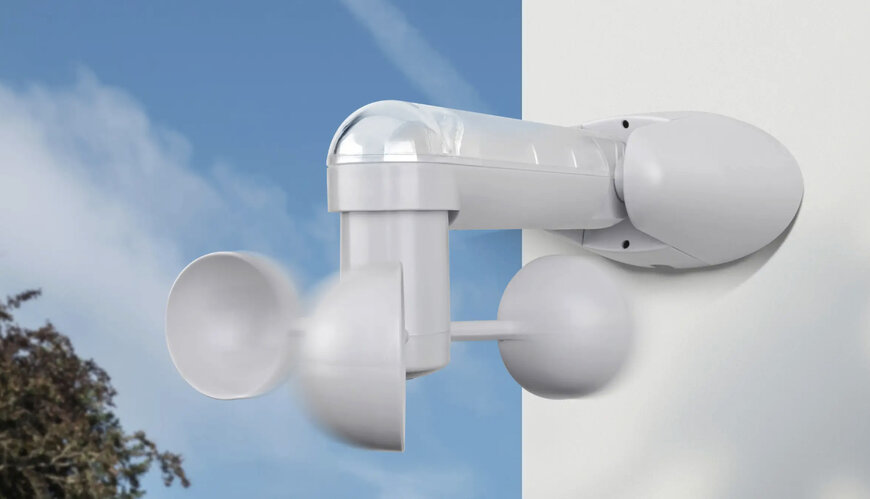
JUNG has introduced a weather station for weather-dependent control of shading systems and protection of exterior roller shutters and awnings. The solution combines multiple sensors and converters for real-time weather data acquisition and processing and can also be integrated into the JUNG HOME smart home system.
The weather station has been developed for residential and commercial building applications and supports automated shading control, weather protection and energy-efficient building functions within conventional electrical installations.
Sensor-based control for shading systems
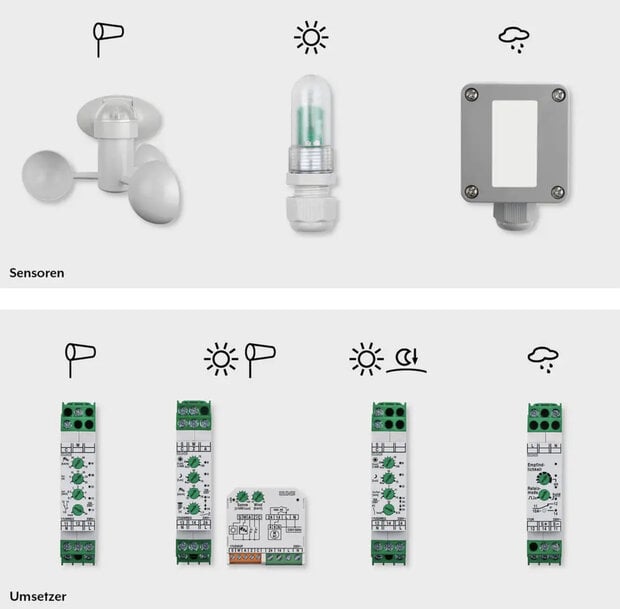
The system is based on three combinable sensors and four converters that capture different weather parameters and transmit control commands to the actuators of the shading systems. The sensors acquire weather data in real time and send corresponding signals to the associated converters. These then forward the information to electric drives and actuators to automatically control shading systems depending on wind, sunlight intensity, twilight or rain.
Depending on the configuration, the weather station supports both the protection of exterior installations and the optimization of thermal comfort inside buildings.
Wind protection for exterior roller shutters and awnings
The wind sensor operates together with the “Wind” converter to automatically control electrically operated shading systems exposed to wind loads. Under critical wind conditions, exterior roller shutters or awnings can be automatically retracted, reducing the risk of storm damage to unprotected components.
This automatic protection function is particularly suitable for textile shading systems and large awnings that are sensitive to high wind loads.
Automated sun and twilight control
The light sensor works together with the “Sun/Twilight” converter to control shading systems according to sunlight intensity. When solar radiation reaches high levels, shading elements can automatically extend. As ambient light decreases, the systems retract again.
The automated shading control can help reduce indoor temperatures on hot days while protecting sensitive furniture, plants and interior materials from intense UV exposure and heat.
Combined weather automation for smart buildings
Using the “Sun/Wind” converter, sun and wind protection functions can be combined. This enables the weather station to process multiple weather parameters simultaneously and adjust shading system operation accordingly. The rain sensor detects precipitation and transfers the data to the “Rain” converter. This allows textile shading systems, for example, to retract automatically to prevent moisture-related material damage.
The modular structure allows the weather station to be individually adapted to different building types and automation requirements.
Integration into the JUNG HOME smart home system
The weather station can be integrated into the JUNG HOME smart home system, which is based on conventional 230-volt electrical installations.
Communication between components takes place wirelessly and encrypted via Bluetooth Mesh. This enables functions such as lighting, smart sockets, exterior roller shutters and weather-dependent building control to operate within a unified smart home network.
The modular system is designed for both new buildings and retrofit installations in existing properties. With JUNG HOME mini actuators or JUNG HOME Pucks, the weather station can be retrofitted without structural modifications to the building.
Weather-dependent building automation gains importance
The integration of weather-dependent control systems is becoming increasingly important in the smart building and energy-efficient building automation sector. Automated shading systems can not only improve occupant comfort but also reduce the energy demand of air-conditioning systems and extend the service life of exterior shading components.
The combination of real-time weather data, wireless communication and modular retrofit capability supports flexible automation concepts for residential and commercial buildings.
Additional Context: technical specifications and competitive benchmarking not included in the original announcement
In the field of weather-dependent building automation and smart home shading control, manufacturers including Somfy, Gira, Busch-Jaeger, Loxone and Warema offer comparable systems for automated control of sun protection and weather protection installations. Key benchmarking parameters include the number of supported sensors, smart home integration capability, communication standards, retrofit flexibility, control response times and protection functions for exterior installations.
The smart building technology market is increasingly moving toward decentralized, wirelessly connected automation systems that combine weather data, energy efficiency and occupant comfort. Bluetooth Mesh communication is becoming particularly relevant in retrofit applications because it enables the integration of smart functions without extensive structural modifications to existing electrical installations.
The presented solution is differentiated primarily through the combination of a modular weather station, real-time weather data acquisition, wireless Bluetooth Mesh communication and integration into conventional 230-volt electrical installations for both new and existing buildings.
Edited by Maria Brueva, Induportals editor – adapted by AI.
www.jung-group.com
