
smartbuildingmag.com
17
'26
Written on Modified on
AI-driven energy intelligence for smart residential electrification
Schneider Electric simulates the deployment of its AI-based smart home system to optimize residential energy consumption and coordinate dynamic electricity tariffs.
www.se.com
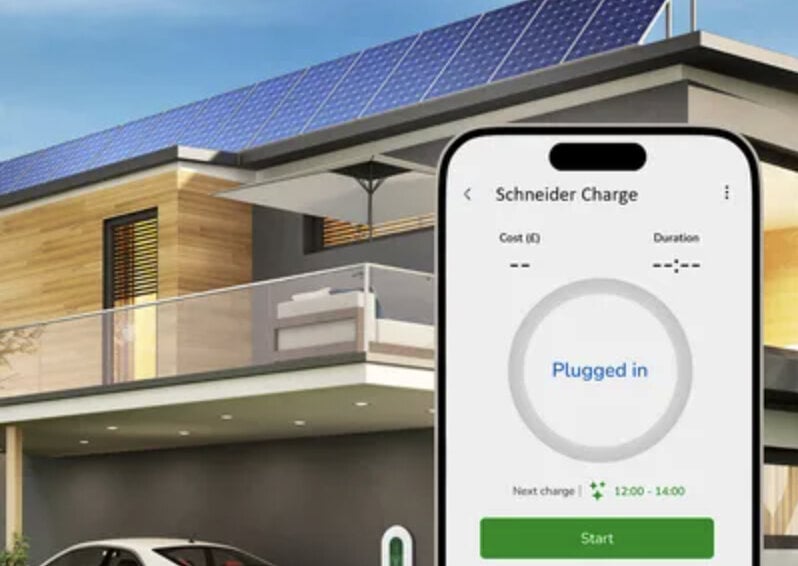
In the smart home and residential energy sector, companies are developing AI-driven energy intelligence systems to manage the growing complexity of electrification and dynamic utility tariffs.
Activity and operational challenges
As residential electrification expands, households are increasingly connecting electric vehicles, heat pumps, rooftop solar installations, and smart appliances to the grid. The operational challenge lies in managing these flexible electrical loads alongside the growing adoption of dynamic, time-based electricity tariffs by utility companies. Manually coordinating these varied energy resources to optimize costs and efficiency has become excessively complex for the majority of households.
Improvement objectives
The primary objective is to autonomously balance energy costs, carbon emissions, indoor comfort, and electrical capacity in real time. The focus is on transitioning from individually controlled smart devices to a cohesive home energy intelligence system that can continuously learn, predict, and coordinate the operation of appliances, energy generation, and storage systems according to occupant preferences and grid conditions.
Selected technical solution
To address these requirements, Schneider Electric developed its Wiser Home AI technology. This AI-driven energy intelligence system coordinates the operation of all connected household devices by factoring in real-time electricity rates, solar energy availability, daily routines, and contracted power limits. It executes second-by-second decisions autonomously, eliminating the need for manual load management while allowing homeowners to retain ultimate control over their systems.
Deployment and support
To validate the technology's impact, the company conducted extensive simulations using 2024 data to model the operation of the system in residential environments across Germany and Denmark. The analysis compared the AI-based intelligent energy coordination against traditional, non-optimized energy consumption models across various configurations, including homes with and without solar generation.
Quantifiable results
The simulations demonstrated that homes utilizing both solar energy and dynamic tariffs achieved simulated average annual savings of up to 27% in Germany and 23% in Denmark, with peak savings occurring during the summer. Even without solar generation, households using dynamic tariffs realized annual savings of up to 10.1% by shifting electric vehicle charging and water heating to lower-cost hours. These reductions reflect the quantifiable value of real-time coordination, maximizing the efficiency of available renewable energy beyond standalone generation.
Full report.
Edited by Maria Brueva, Induportals editor – adapted by AI.
www.se.com
