
smartbuildingmag.com
14
'26
Written on Modified on
Connected intrusion protection with multi-network alarm control
Delta Dore introduces the Tyxal+ Hub smart alarm control unit with 4G, Wi-Fi and Ethernet connectivity for residential security and remote smart home management.
www.deltadore.co.uk
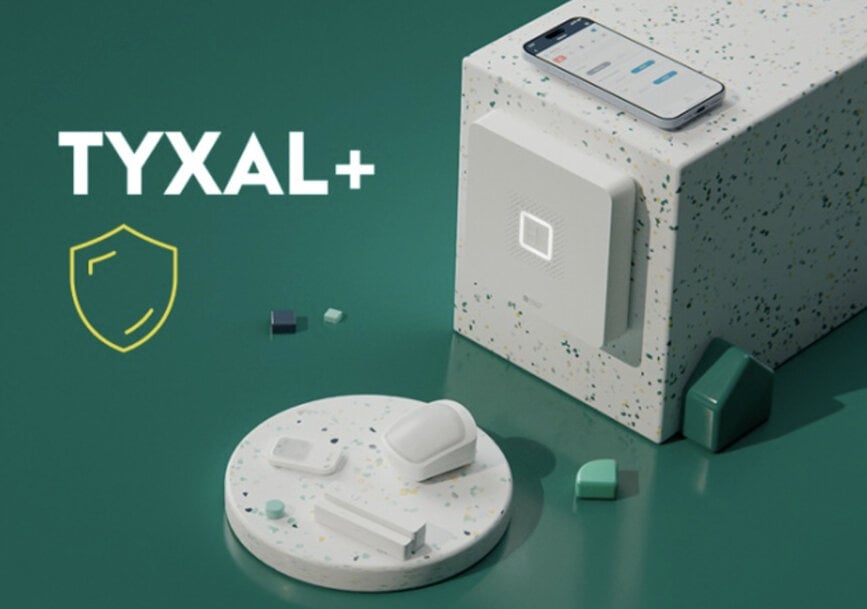
Delta Dore has launched the Tyxal+ Hub, a smart alarm control unit designed for connected residential intrusion protection and integrated smart home security management. The system combines multi-network communication, wireless encrypted security protocols and remote maintenance capabilities within a centralized alarm platform for residential and light commercial applications.
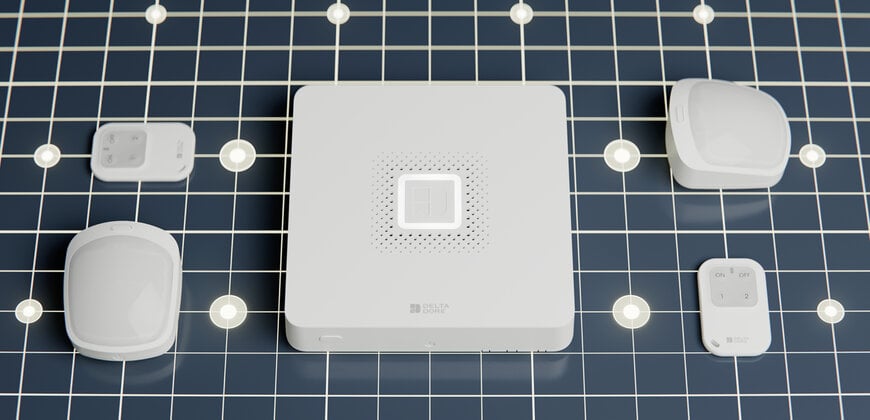
The Tyxal+ Hub integrates a built-in siren, real-time system monitoring and compatibility with the Tydom smart home application, supporting remote control, alarm verification and automated security scenarios.
Multi-network alarm communication for continuous availability
The Tyxal+ Hub supports 4G, Wi-Fi and Ethernet communication, allowing the alarm system to operate across multiple network infrastructures depending on installation requirements. The integrated 4G functionality can operate as a backup communication channel during internet or power outages or as a permanent communication method for locations without fixed broadband infrastructure. According to Delta Dore, the system can maintain operation for up to seven days under backup conditions while continuing to transmit SMS and call notifications.
Ethernet connectivity supports stable wired network integration, while Wi-Fi connectivity enables flexible positioning of the alarm control unit within residential environments.
This multi-network architecture is intended to improve communication redundancy and maintain alarm transmission availability during network disruptions.
Integrated intrusion protection and system supervision
The Tyxal+ Hub incorporates a 105 dB integrated siren designed for immediate acoustic intrusion deterrence. The platform continuously supervises connected devices and analyzes motion events in real time while differentiating between warning conditions and alarm events. Integrated self-monitoring functions track system status and associated security accessories.
The system also includes anti-jamming functionality that continuously analyzes wireless signal quality in order to detect potential radio interference attempts.
Encrypted wireless security protocol
The alarm platform uses the X3D wireless communication protocol operating at 868 MHz. The protocol utilizes encrypted dynamic data frames intended to protect communications against signal interception and fraudulent manipulation attempts. Integrated tamper protection activates the internal siren if unauthorized opening or removal attempts are detected.
The Tyxal+ Hub is certified according to EN 50131 Grade 2, a European standard for intrusion and hold-up alarm systems used in residential and small commercial security applications.
Smart home integration through the Tydom platform
The alarm system can be connected to the Tydom application for remote monitoring, system control and notification management. Users can receive push notifications, technical alerts, network outage warnings and intrusion alarms directly through the mobile application, including priority alerts designed to override “Do Not Disturb” smartphone modes. The Tydom ecosystem also supports integration with home automation devices and additional security products, enabling automated building security scenarios.
For example, lighting systems can automatically activate during alarm events, while connected Tymoov motor systems can close automatically during pre-alarm detection events.
Remote diagnostics and maintenance functions
The Tyxal+ Hub has been designed to support professional installers through guided configuration and remote maintenance capabilities. System setup can be completed through the professional section of the Tydom application, including zone configuration, device association, scenario programming and commissioning processes.
Real-time diagnostics provide access to battery status, system health monitoring and fault reporting. These functions allow maintenance planning and can reduce the number of on-site service interventions.
The installation architecture supports 230 V power supply configurations, including plug-in power adapters and mounting on flush-mounted electrical boxes using dedicated power supply units. Additional installation options are scheduled for availability during the second half of 2026.
Compatibility with connected security devices
The Tyxal+ Hub supports integration with more than 40 compatible Tyxal+ security products as well as Tycam Guard and Tycam Home security cameras. Alarm verification can be performed using the DMBV Tyxal+ PIRCAM detector or through compatible connected cameras integrated into the security ecosystem.
Additional compatible products include technical detectors and outdoor motion sensors designed to extend protection beyond intrusion monitoring into preventive and environmental safety functions.
Connected security and smart building convergence
The launch reflects broader trends in residential security systems toward integration of intrusion protection, smart home automation and cloud-connected maintenance services. Modern connected alarm systems increasingly combine wireless communication redundancy, encrypted protocols, remote diagnostics and automation integration within unified digital security ecosystems.
The integration of mobile applications, wireless mesh communication and connected security peripherals also supports expanding demand for scalable residential smart security platforms.
Additional Context: technical specifications and competitive benchmarking not included in the original announcement
In the connected residential alarm and smart intrusion protection market, manufacturers including Somfy, Ajax Systems, Verisure, Hikvision and Bosch Building Technologies offer comparable platforms integrating wireless intrusion detection, mobile application control and smart home connectivity. Key benchmarking parameters include wireless protocol security, communication redundancy, alarm certification level, remote maintenance functionality, battery backup duration and integration with broader smart home ecosystems.
The residential smart security market is increasingly adopting multi-network communication architectures combining cellular, Wi-Fi and Ethernet connectivity to improve alarm transmission reliability and operational continuity during infrastructure failures. Encrypted wireless protocols operating in protected frequency bands are also becoming standard requirements for advanced residential intrusion systems.
The presented solution is differentiated primarily through the combination of 4G backup communication, X3D encrypted wireless technology, EN 50131 Grade 2 certification, integrated remote diagnostics and interoperability with the broader Tydom smart home ecosystem.
Edited by Maria Brueva, Induportals editor – adapted by AI.
www.deltadore.com
