
smartbuildingmag.com
10
'26
Written on Modified on
CO₂ Refrigeration Technologies Support Low-GWP Transition
Copeland presents compression and control solutions at Expo Frío Calor Chile to enable adoption of natural refrigerants in commercial refrigeration systems.
www.copeland.com
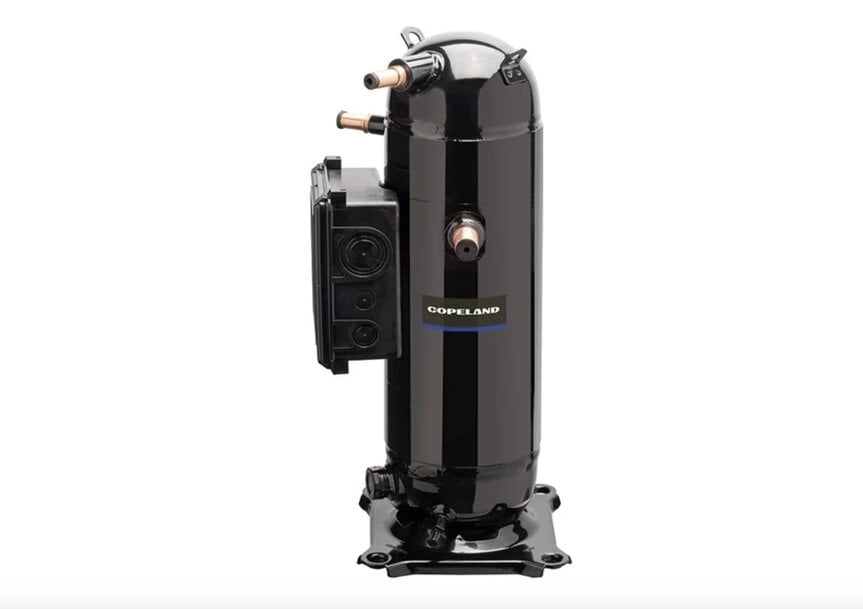
Copeland will showcase refrigeration technologies designed for low-global warming potential (GWP) applications at Expo Frío Calor Chile, held from April 14–16 in Santiago. The portfolio focuses on enabling the transition to natural refrigerants, particularly CO₂-based systems, while maintaining efficiency and operational stability.
Driving Adoption of Natural Refrigerants
Increasing regulatory pressure and decarbonisation targets are accelerating the shift toward refrigerants with lower environmental impact. In Latin America, end users and equipment manufacturers are adopting CO₂ as an alternative to traditional refrigerants due to its low GWP and favourable thermodynamic properties.
However, CO₂ systems—especially in transcritical operation—require specialised components and control strategies to maintain efficiency across varying ambient conditions. Copeland’s solutions address these technical challenges through integrated compressor and control technologies.
Transcritical CO₂ Compression with Vapor Injection
A key technology presented is a transcritical CO₂ scroll compressor incorporating Dynamic Vapor Injection (DVI). This approach improves system performance by injecting refrigerant vapor at intermediate stages of compression.
The result is enhanced capacity control and stable operation across a wide range of temperatures, which is critical in transcritical CO₂ systems where efficiency can vary significantly with ambient conditions.
Compact Condensing Units for Simplified Deployment
CO₂-based condensing units are designed to support compact system layouts and simplified installation. These units integrate key refrigeration components into a single platform, reducing system complexity while maintaining performance.
Such configurations are particularly relevant in commercial refrigeration applications, including food retail, where space constraints and installation time are important factors.
Intelligent Control for System Stability
Advanced control systems play a central role in managing CO₂ refrigeration processes. Dedicated algorithms regulate the vapor injection cycle, ensuring optimal performance and energy efficiency.
By continuously monitoring operating conditions and adjusting system parameters, these control solutions improve reliability and reduce energy consumption, supporting consistent operation in dynamic environments.
Supporting Sustainable Refrigeration Systems
The technologies presented highlight the growing role of CO₂-based systems in commercial refrigeration. By combining low-GWP refrigerants with optimised compression and control strategies, these solutions enable compliance with environmental regulations while maintaining operational performance.
As the refrigeration industry transitions toward more sustainable systems, such developments provide scalable approaches for reducing environmental impact without compromising efficiency or reliability.
Edited by Romila DSilva, Induportals Editor, with AI assistance.
