
smartbuildingmag.com
06
'26
Written on Modified on
Smart Sensors and Locks Extend Building Automation
Shelly expands device-level monitoring and control for residential and small commercial automation, with new sensors, access systems, and energy-monitoring hardware available via Conrad.
www.conrad.com
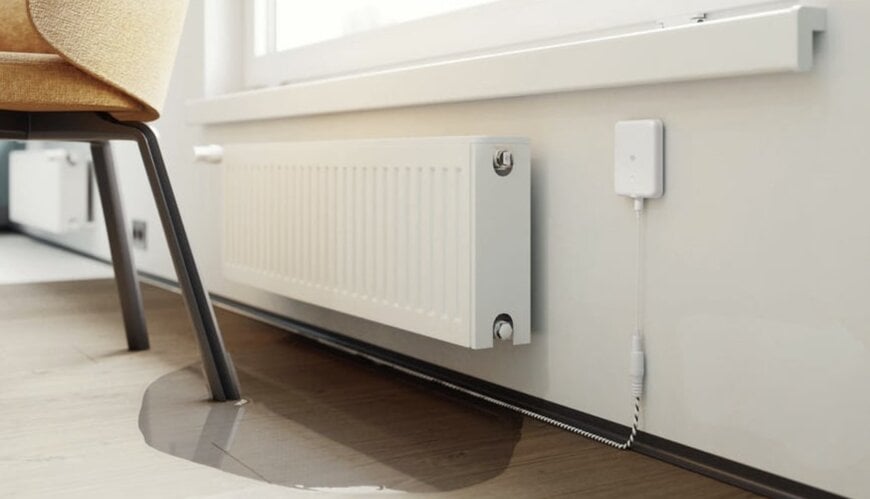
Water damage in the conference room? The new Flood Gen4 water sensor warns of the danger before major damage occurs. ©Shelly
Distributed sensors and connected control devices are increasingly used to monitor environmental conditions, automate building functions, and manage energy consumption in residential and small commercial environments. In this context, Shelly introduced several new smart home devices—now available on the Conrad Sourcing Platform—including water-leak detection sensors, a connected door lock, and an energy-monitoring power strip.
Leak detection and early moisture monitoring
Water damage remains a frequent cause of property loss in residential and light-commercial buildings, particularly in areas with appliances, pipes, or outdoor exposure. The Shelly Flood Gen4 water sensor is designed to detect moisture at floor level and transmit alerts to connected devices such as smartphones or integrated building automation systems.
The sensor can be combined with the Shelly Leak Sensor Cable, a two-meter detection cable intended for installation in locations where point sensors are difficult to position, including under appliances, along pipes, or in utility rooms. The cable detects moisture along its length and triggers a warning when water contact occurs.
When connected to a broader smart home automation environment, the device can transmit alarm signals to mobile devices or trigger automated system responses.
Linking sensors to automated control
Beyond simple alerting, the Shelly Flood Gen4 can initiate automated responses when paired with other devices in the Shelly ecosystem. For example, integration with the Shelly 2PM Gen4 allows automated shutoff of water supply lines when leak conditions are detected.
The sensor also supports environmental monitoring scenarios. By detecting rising humidity levels, the system can identify rainfall conditions and automatically close outdoor awnings to protect patio areas or outdoor furniture.
Alarm sensitivity can be configured depending on the installation environment. The device offers adjustable thresholds—“Intensive,” “Normal,” and “Economical”—to match different building usage patterns, such as frequently occupied utility rooms or intermittently used holiday apartments. Separate detection modes support both flood and rain monitoring scenarios.
Smartphone-based door access
The Shelly LOQED Touch Smart Lock extends building automation to physical access control. The system allows door unlocking through multiple authentication methods, including smartphone access, PIN entry, or touch activation.
When connected to the broader automation platform, door events can trigger other building functions. For example, unlocking a door can initiate predefined scenes that activate lighting or adjust roller shutters.
Remote access control enables users to unlock doors from a distance, allowing entry for visitors or service personnel without requiring physical keys. The device is built with a stainless steel module intended for installation in residential entrances, workshops, or office environments.
Monitoring device-level energy consumption
Energy monitoring at the outlet level provides visibility into device consumption and supports automated load management in a digital supply chain of connected devices. The Shelly Power Strip 4 Gen4 integrates four individually monitored sockets, enabling separate measurement and switching of each connected device.
Each outlet can be programmed independently, allowing equipment such as monitors, printers, or kitchen appliances to be automatically powered down outside operating hours. This scheduling function supports energy management in offices, workshops, and residential environments.
The compact power strip includes multi-colour LED indicators to display operational status and can be integrated into automation routines controlled through mobile applications or voice interfaces.
Connectivity within smart home ecosystems
All newly introduced devices support integration with common smart home platforms, including Amazon Alexa, Google Home, and Home Assistant. They are also compatible with Matter-based ecosystems and support Bluetooth, Wi-Fi, and Zigbee connectivity.
This multi-protocol approach allows the devices to be integrated into existing building automation systems without requiring proprietary control infrastructure, enabling distributed sensing, remote monitoring, and automated control across residential and small commercial installations.
www.conrad.com
Distributed sensors and connected control devices are increasingly used to monitor environmental conditions, automate building functions, and manage energy consumption in residential and small commercial environments. In this context, Shelly introduced several new smart home devices—now available on the Conrad Sourcing Platform—including water-leak detection sensors, a connected door lock, and an energy-monitoring power strip.
Leak detection and early moisture monitoring
Water damage remains a frequent cause of property loss in residential and light-commercial buildings, particularly in areas with appliances, pipes, or outdoor exposure. The Shelly Flood Gen4 water sensor is designed to detect moisture at floor level and transmit alerts to connected devices such as smartphones or integrated building automation systems.
The sensor can be combined with the Shelly Leak Sensor Cable, a two-meter detection cable intended for installation in locations where point sensors are difficult to position, including under appliances, along pipes, or in utility rooms. The cable detects moisture along its length and triggers a warning when water contact occurs.
When connected to a broader smart home automation environment, the device can transmit alarm signals to mobile devices or trigger automated system responses.
Linking sensors to automated control
Beyond simple alerting, the Shelly Flood Gen4 can initiate automated responses when paired with other devices in the Shelly ecosystem. For example, integration with the Shelly 2PM Gen4 allows automated shutoff of water supply lines when leak conditions are detected.
The sensor also supports environmental monitoring scenarios. By detecting rising humidity levels, the system can identify rainfall conditions and automatically close outdoor awnings to protect patio areas or outdoor furniture.
Alarm sensitivity can be configured depending on the installation environment. The device offers adjustable thresholds—“Intensive,” “Normal,” and “Economical”—to match different building usage patterns, such as frequently occupied utility rooms or intermittently used holiday apartments. Separate detection modes support both flood and rain monitoring scenarios.
Smartphone-based door access
The Shelly LOQED Touch Smart Lock extends building automation to physical access control. The system allows door unlocking through multiple authentication methods, including smartphone access, PIN entry, or touch activation.
When connected to the broader automation platform, door events can trigger other building functions. For example, unlocking a door can initiate predefined scenes that activate lighting or adjust roller shutters.
Remote access control enables users to unlock doors from a distance, allowing entry for visitors or service personnel without requiring physical keys. The device is built with a stainless steel module intended for installation in residential entrances, workshops, or office environments.
Monitoring device-level energy consumption
Energy monitoring at the outlet level provides visibility into device consumption and supports automated load management in a digital supply chain of connected devices. The Shelly Power Strip 4 Gen4 integrates four individually monitored sockets, enabling separate measurement and switching of each connected device.
Each outlet can be programmed independently, allowing equipment such as monitors, printers, or kitchen appliances to be automatically powered down outside operating hours. This scheduling function supports energy management in offices, workshops, and residential environments.
The compact power strip includes multi-colour LED indicators to display operational status and can be integrated into automation routines controlled through mobile applications or voice interfaces.
Connectivity within smart home ecosystems
All newly introduced devices support integration with common smart home platforms, including Amazon Alexa, Google Home, and Home Assistant. They are also compatible with Matter-based ecosystems and support Bluetooth, Wi-Fi, and Zigbee connectivity.
This multi-protocol approach allows the devices to be integrated into existing building automation systems without requiring proprietary control infrastructure, enabling distributed sensing, remote monitoring, and automated control across residential and small commercial installations.
www.conrad.com
