
smartbuildingmag.com
07
'25
Written on Modified on
Smart Buildings & The Carbon Footprint
As the global push towards decarbonisation accelerates, smart buildings will play an indispensable role in achieving climate goals, says Nicolas Bony.
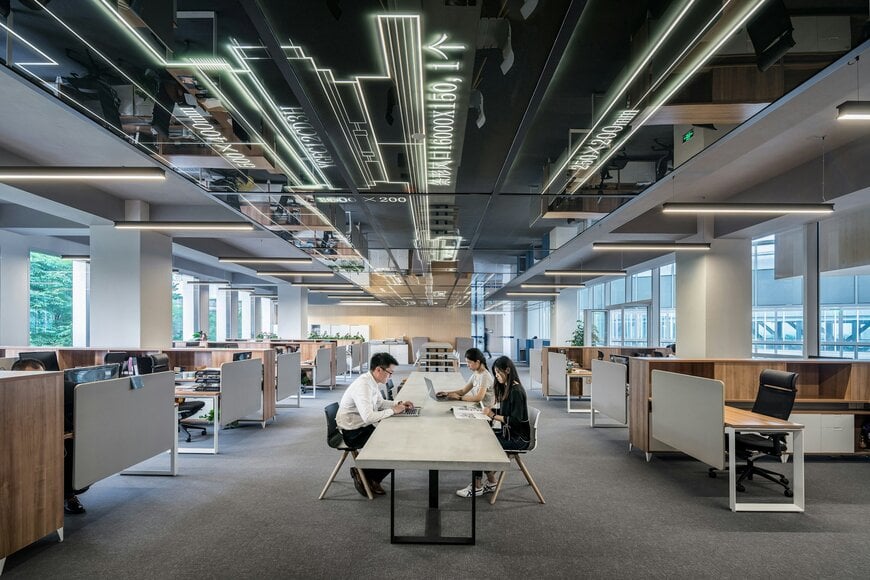
A smart building is one which uses technology to optimise building performance. Photo by LYCS Architecture on Unsplash
Buildings are a major source of global energy consumption and emissions. This starts right from the construction stage, with the production of materials like cement and steel having a substantial environmental impact. Traditional building practices contribute significantly to greenhouse gas (GHG) emissions through their operational and embodied carbon footprints. While embodied carbon refers to the GHG emissions associated with the materials and construction processes of a building, operational carbon refers to the emissions from its ongoing use, such as heating, cooling, and lighting.
As greenhouse gas emissions blanket the Earth, they trap the sun’s heat. This leads to global warming and climate change. According to the United Nations Climate Change portal, the world is now warming faster than at any point in recorded history. The Net Zero Goal, also known as net-zero emissions, aims to balance GHG emissions released into the atmosphere with the amount removed or absorbed. In essence, it means achieving a state where the net effect of GHG emissions on the planet is zero, effectively halting global warming, and later, even reversing the process.
As the world prepares to achieve the ambitious target of Net Zero by 2050 in line with the Paris Agreement, smart buildings form an important component of the efforts that are needed to achieve the goal. To that end, it is important to first understand what exactly is meant by a smart building.
A smart building is the one which uses technology to optimise building performance, enhance occupant experience, and improve resource efficiency. This article delves deep into the entire gamut of issues concerning the evolving smart buildings ecosystem.
The concept of smart buildings
Buildings are man-made structures used for different purposes – homes, offices, commercial establishments, warehouses, etc. Varying in size and structure, these are occupied by humans and need creature comforts like proper ventilation, adequate lighting, and air-conditioning to maintain ambient temperature conditions. Depending on the purpose the building is used for, all these requirements vary in degrees, but are nonetheless essential. Apart from the construction features that ensure natural lighting and ventilation, everything else needs energy.
The concept behind smart buildings is to utilise technology to automate and optimise various building systems, ultimately improving efficiency, occupant comfort, and overall building performance. This is achieved through the integration of interconnected systems, sensors, data analytics, and artificial intelligence, allowing buildings to respond to their environment and user needs. Traditionally, all the building systems like lighting, air-conditioning, access control, etc., are independent of each other, which results in high energy consumption. Regardless of building occupancy at any given moment, lights remain on, and so does the air-conditioning. What integration does is connect all these functions together into a smart system that adjusts all the parameters like lighting, heating/cooling and converts the ambient conditions into optimal for human comfort.
The benefits of such automation in buildings are many, in terms of efficiency, comfort, sustainability, safety, cost savings. Automated control and optimisation of systems reduce energy consumption and operational costs. Personalised environmental control based on occupancy and preferences improves occupant comfort and productivity. Integrated security systems offer enhanced protection and can be coordinated with other building functions. Another advantage is that data analytics from such integrated systems can identify potential issues before they escalate, enabling proactive maintenance and preventing downtime. But the most significant benefit of smart building integration is that it contributes to sustainability by reducing energy consumption, optimising resource usage, and minimising environmental impact.
The early days: PLCs and the first wave of automation
Contrary to popular perception, the movement towards building automation is not a recent phenomenon. In fact, this is something that had started in the 1960s. However, the Bosch Building Solutions portal indicates it all started with the egg incubator – the process of keeping the egg incubators heated at a constant temperature. Dutch engineer Cornelius Drebbel is credited with the invention of the world’s first heat regulator for this purpose in the early 1600s. This simple mercury thermostat, one of the earliest examples of a feedback-controlled device, was so effective that it was in use until the 1970s for temperature control in buildings. The next important development was the invention of the light switch in 1884, which marked the beginning of lighting control with the progressive electrification of homes.
The most significant development in building automation however was the development of the Programmable Logic Controller (PLC) in 1968 by Richard Morley. In fact the PLC has played a foundational and highly significant role in the early days of building automation, particularly from the 1970s through the 1990s. The PLCs replaced the then prevalent, relay-based, control systems regulating building systems like HVAC, lighting, and elevators. In addition to being complex and bulky, the electromechanical relays were also difficult to reconfigure or scale, prone to failure, and hard to troubleshoot. The PLCs allowed engineers to write custom logic for controlling building functions such as time-based lighting schedules, HVAC sequencing and zoning, elevator logic coordination as well as access control logic, providing unmatched flexibility controlled by mere software updates. By controlling and optimising multiple subsystems, PLCs not only helped reduce energy consumption through more efficient operations, but more importantly, formed the technical backbone of the first-generation Building Management Systems (BMS) or Building Automation Systems (BAS).
While PLCs offer reliable control in building automation, they do have drawbacks. For example, in spite of their proven efficiency in real-time control, PLCs have limitations in terms of processing power compared to general-purpose computers, as also limited memory for complex programs and data storage. This is a big disadvantage when it comes to extensive building automation systems. Another aspect is the programming of PLCs, which needs specialised skills and knowledge, and the lack of standardisation in programming languages and protocols, which becomes acute when different makes are involved. The third major drawback of PLCs is the cost – both hardware and software – as the initial investment can be significant, including the cost of the PLC unit, programming software, and specialised training. Even with these limitations, one thing is clear – it is the humble PLC that launched the process of building automation.
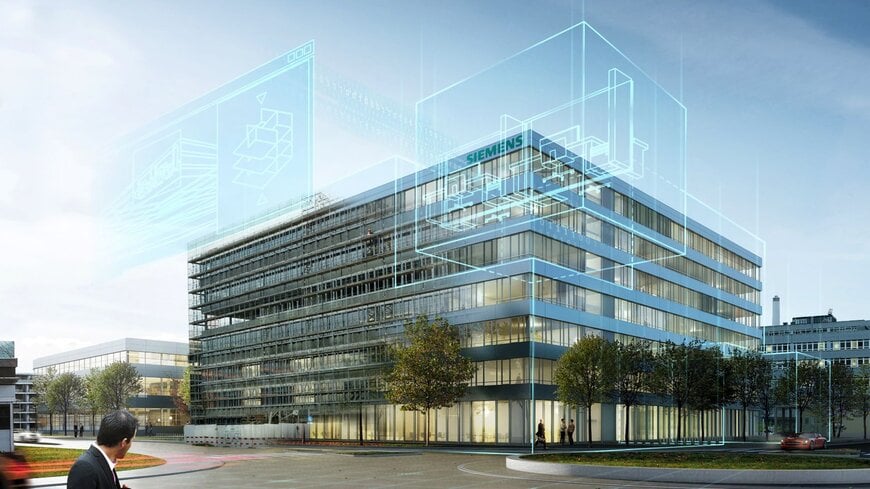
The Siemens digital building portfolio included a cloud-based building operations twin software. Graphic by Siemens Smart Infrastructure
Evolution into BMS and integration technologies
Following the introduction of PLCs, building automation had progressively entered the digital era replacing the analog control systems. This was aided in no small measure by the emergence of Ethernet as a cost-effective, fast, widespread and universally accepted standard for high speed data transfer during the 1980s. There were two other important developments that happened during this period. One was the rise of BIM – Building Information Management – a digital representation of a building's physical and functional characteristics. BIM is a collaborative process that allows architects, engineers, and other construction professionals to plan, design, construct, and manage buildings using a 3D model. What BIM creates is a digital representation of a building across its entire lifecycle, from planning and design to construction and operations – in other words, a digital twin. The other one was the beginning of what is now known as Building Management Systems (BMS) or Building Automation Systems (BAS). Together, BIM and BMS have revolutionised the field of building automation, with BIM facilitating effective implementation of BMS right from the planning stage of a building.
BMS is a computer-based system that controls and monitors a building's mechanical and electrical equipment like HVAC, lighting, and security systems. Its primary role is to optimise building operations for enhanced energy efficiency, occupant comfort, and safety, while also reducing operating costs. This is achieved by centralised control and monitoring of the building's mechanical and electrical systems, such as HVAC, lighting, energy, fire, and security, to ensure efficient and safe operation, improve occupant comfort, and reduce energy consumption. The control and monitoring is done by using sensors, controllers, and a central control system to manage and automate building functions.
The following points encapsulate how exactly the BMS works in practice:
1. Data collection: This happens via sensors placed strategically throughout the building to gather data on various parameters like temperature, humidity, lighting levels, occupancy, and energy consumption.
2. System control: The BMS receives data from the sensors and compares it against predefined setpoints or parameters. Any deviation triggers an alarm setting automated actions to adjust the building's systems accordingly.
3. Real-time monitoring and management: The BMS provides a centralised interface, often a dashboard, for real-time monitoring of building systems and their performance, and responds to alerts or alarms.
4. Fire safety and security: BMS can integrate with security and fire safety systems, enhancing the overall safety of the building.
All these functions are linked together through a standard industry network protocol for building automation like BACnet (Building Automation and Control networks), which is a communication protocol that enables different building automation and control systems to communicate and work together. In fact BACnet plays a crucial role in BMS by allowing various devices like HVAC systems, lighting, access control, and fire detection to exchange information and be controlled centrally. This interoperability is a key benefit, as it allows for the integration of systems from different manufacturers, avoiding vendor lock-in and offering more flexibility in system design and expansion. Like BACNET, there are other vendor neutral protocols like LonWorks or Modbus, which are also used, though BACnet is by far the popular choice.
The impact of digital transformation and the IIoT era
Traditionally building automation relied on scheduled or manual control. If BACnet enabled different building automation and control systems to communicate and work together, digital transformation and the rise of the Industrial Internet of Things (IIoT) have contributed to further the cause of BMS, making buildings smarter, more efficient, and sustainable. IIoT sensors, which are designed to connect to the internet and transmit data wirelessly to a central system for analysis and action, now continuously monitor parameters like temperature, humidity, lighting, occupancy, and air quality. This in turn has led to real-time, remote control and fine-tuning via dashboards or mobile apps, resulting in better comfort, energy savings, and faster issue resolution. A further boost is provided with data-driven decision making as digital platforms collect and analyse large volumes of building data. AI and ML algorithms help in predictive maintenance, energy forecasting, and automated optimisation. Facility managers can now proactively address inefficiencies before they escalate.
Another significant advantage of IIoT in building an automation ecosystem is the integration of subsystems that were brought together thanks to BACnet and other platforms. IIoT facilitated connecting the previously siloed systems of HVAC, lighting, fire safety, security, elevators, etc., bringing them on unified platforms that allow centralised control and interoperability. The outcome is in the form of better coordination, reduced redundancy, and improved occupant experience. The smart, IIoT-enabled sensors dynamically adjust lighting, HVAC, and ventilation based on occupancy and time of day. Smart metering and analytics reduce energy waste and carbon footprint, and as a result, net-zero and green building goals are more achievable through smart automation.
Apart from these, there are other advantages listed below that the process of connected systems have brought to BMS, thanks to IIoT:
Buildings are a major source of global energy consumption and emissions. This starts right from the construction stage, with the production of materials like cement and steel having a substantial environmental impact. Traditional building practices contribute significantly to greenhouse gas (GHG) emissions through their operational and embodied carbon footprints. While embodied carbon refers to the GHG emissions associated with the materials and construction processes of a building, operational carbon refers to the emissions from its ongoing use, such as heating, cooling, and lighting.
As greenhouse gas emissions blanket the Earth, they trap the sun’s heat. This leads to global warming and climate change. According to the United Nations Climate Change portal, the world is now warming faster than at any point in recorded history. The Net Zero Goal, also known as net-zero emissions, aims to balance GHG emissions released into the atmosphere with the amount removed or absorbed. In essence, it means achieving a state where the net effect of GHG emissions on the planet is zero, effectively halting global warming, and later, even reversing the process.
As the world prepares to achieve the ambitious target of Net Zero by 2050 in line with the Paris Agreement, smart buildings form an important component of the efforts that are needed to achieve the goal. To that end, it is important to first understand what exactly is meant by a smart building.
A smart building is the one which uses technology to optimise building performance, enhance occupant experience, and improve resource efficiency. This article delves deep into the entire gamut of issues concerning the evolving smart buildings ecosystem.
The concept of smart buildings
Buildings are man-made structures used for different purposes – homes, offices, commercial establishments, warehouses, etc. Varying in size and structure, these are occupied by humans and need creature comforts like proper ventilation, adequate lighting, and air-conditioning to maintain ambient temperature conditions. Depending on the purpose the building is used for, all these requirements vary in degrees, but are nonetheless essential. Apart from the construction features that ensure natural lighting and ventilation, everything else needs energy.
The concept behind smart buildings is to utilise technology to automate and optimise various building systems, ultimately improving efficiency, occupant comfort, and overall building performance. This is achieved through the integration of interconnected systems, sensors, data analytics, and artificial intelligence, allowing buildings to respond to their environment and user needs. Traditionally, all the building systems like lighting, air-conditioning, access control, etc., are independent of each other, which results in high energy consumption. Regardless of building occupancy at any given moment, lights remain on, and so does the air-conditioning. What integration does is connect all these functions together into a smart system that adjusts all the parameters like lighting, heating/cooling and converts the ambient conditions into optimal for human comfort.
The benefits of such automation in buildings are many, in terms of efficiency, comfort, sustainability, safety, cost savings. Automated control and optimisation of systems reduce energy consumption and operational costs. Personalised environmental control based on occupancy and preferences improves occupant comfort and productivity. Integrated security systems offer enhanced protection and can be coordinated with other building functions. Another advantage is that data analytics from such integrated systems can identify potential issues before they escalate, enabling proactive maintenance and preventing downtime. But the most significant benefit of smart building integration is that it contributes to sustainability by reducing energy consumption, optimising resource usage, and minimising environmental impact.
The early days: PLCs and the first wave of automation
Contrary to popular perception, the movement towards building automation is not a recent phenomenon. In fact, this is something that had started in the 1960s. However, the Bosch Building Solutions portal indicates it all started with the egg incubator – the process of keeping the egg incubators heated at a constant temperature. Dutch engineer Cornelius Drebbel is credited with the invention of the world’s first heat regulator for this purpose in the early 1600s. This simple mercury thermostat, one of the earliest examples of a feedback-controlled device, was so effective that it was in use until the 1970s for temperature control in buildings. The next important development was the invention of the light switch in 1884, which marked the beginning of lighting control with the progressive electrification of homes.
The most significant development in building automation however was the development of the Programmable Logic Controller (PLC) in 1968 by Richard Morley. In fact the PLC has played a foundational and highly significant role in the early days of building automation, particularly from the 1970s through the 1990s. The PLCs replaced the then prevalent, relay-based, control systems regulating building systems like HVAC, lighting, and elevators. In addition to being complex and bulky, the electromechanical relays were also difficult to reconfigure or scale, prone to failure, and hard to troubleshoot. The PLCs allowed engineers to write custom logic for controlling building functions such as time-based lighting schedules, HVAC sequencing and zoning, elevator logic coordination as well as access control logic, providing unmatched flexibility controlled by mere software updates. By controlling and optimising multiple subsystems, PLCs not only helped reduce energy consumption through more efficient operations, but more importantly, formed the technical backbone of the first-generation Building Management Systems (BMS) or Building Automation Systems (BAS).
While PLCs offer reliable control in building automation, they do have drawbacks. For example, in spite of their proven efficiency in real-time control, PLCs have limitations in terms of processing power compared to general-purpose computers, as also limited memory for complex programs and data storage. This is a big disadvantage when it comes to extensive building automation systems. Another aspect is the programming of PLCs, which needs specialised skills and knowledge, and the lack of standardisation in programming languages and protocols, which becomes acute when different makes are involved. The third major drawback of PLCs is the cost – both hardware and software – as the initial investment can be significant, including the cost of the PLC unit, programming software, and specialised training. Even with these limitations, one thing is clear – it is the humble PLC that launched the process of building automation.
The Siemens digital building portfolio included a cloud-based building operations twin software. Graphic by Siemens Smart Infrastructure
Evolution into BMS and integration technologies
Following the introduction of PLCs, building automation had progressively entered the digital era replacing the analog control systems. This was aided in no small measure by the emergence of Ethernet as a cost-effective, fast, widespread and universally accepted standard for high speed data transfer during the 1980s. There were two other important developments that happened during this period. One was the rise of BIM – Building Information Management – a digital representation of a building's physical and functional characteristics. BIM is a collaborative process that allows architects, engineers, and other construction professionals to plan, design, construct, and manage buildings using a 3D model. What BIM creates is a digital representation of a building across its entire lifecycle, from planning and design to construction and operations – in other words, a digital twin. The other one was the beginning of what is now known as Building Management Systems (BMS) or Building Automation Systems (BAS). Together, BIM and BMS have revolutionised the field of building automation, with BIM facilitating effective implementation of BMS right from the planning stage of a building.
BMS is a computer-based system that controls and monitors a building's mechanical and electrical equipment like HVAC, lighting, and security systems. Its primary role is to optimise building operations for enhanced energy efficiency, occupant comfort, and safety, while also reducing operating costs. This is achieved by centralised control and monitoring of the building's mechanical and electrical systems, such as HVAC, lighting, energy, fire, and security, to ensure efficient and safe operation, improve occupant comfort, and reduce energy consumption. The control and monitoring is done by using sensors, controllers, and a central control system to manage and automate building functions.
The following points encapsulate how exactly the BMS works in practice:
1. Data collection: This happens via sensors placed strategically throughout the building to gather data on various parameters like temperature, humidity, lighting levels, occupancy, and energy consumption.
2. System control: The BMS receives data from the sensors and compares it against predefined setpoints or parameters. Any deviation triggers an alarm setting automated actions to adjust the building's systems accordingly.
3. Real-time monitoring and management: The BMS provides a centralised interface, often a dashboard, for real-time monitoring of building systems and their performance, and responds to alerts or alarms.
4. Fire safety and security: BMS can integrate with security and fire safety systems, enhancing the overall safety of the building.
All these functions are linked together through a standard industry network protocol for building automation like BACnet (Building Automation and Control networks), which is a communication protocol that enables different building automation and control systems to communicate and work together. In fact BACnet plays a crucial role in BMS by allowing various devices like HVAC systems, lighting, access control, and fire detection to exchange information and be controlled centrally. This interoperability is a key benefit, as it allows for the integration of systems from different manufacturers, avoiding vendor lock-in and offering more flexibility in system design and expansion. Like BACNET, there are other vendor neutral protocols like LonWorks or Modbus, which are also used, though BACnet is by far the popular choice.
The impact of digital transformation and the IIoT era
Traditionally building automation relied on scheduled or manual control. If BACnet enabled different building automation and control systems to communicate and work together, digital transformation and the rise of the Industrial Internet of Things (IIoT) have contributed to further the cause of BMS, making buildings smarter, more efficient, and sustainable. IIoT sensors, which are designed to connect to the internet and transmit data wirelessly to a central system for analysis and action, now continuously monitor parameters like temperature, humidity, lighting, occupancy, and air quality. This in turn has led to real-time, remote control and fine-tuning via dashboards or mobile apps, resulting in better comfort, energy savings, and faster issue resolution. A further boost is provided with data-driven decision making as digital platforms collect and analyse large volumes of building data. AI and ML algorithms help in predictive maintenance, energy forecasting, and automated optimisation. Facility managers can now proactively address inefficiencies before they escalate.
Another significant advantage of IIoT in building an automation ecosystem is the integration of subsystems that were brought together thanks to BACnet and other platforms. IIoT facilitated connecting the previously siloed systems of HVAC, lighting, fire safety, security, elevators, etc., bringing them on unified platforms that allow centralised control and interoperability. The outcome is in the form of better coordination, reduced redundancy, and improved occupant experience. The smart, IIoT-enabled sensors dynamically adjust lighting, HVAC, and ventilation based on occupancy and time of day. Smart metering and analytics reduce energy waste and carbon footprint, and as a result, net-zero and green building goals are more achievable through smart automation.
Apart from these, there are other advantages listed below that the process of connected systems have brought to BMS, thanks to IIoT:
- Remote operations & cloud connectivity: Cloud-based BAS platforms enable remote monitoring, troubleshooting, and updates, especially valuable for large building portfolios (e.g., retail chains, campuses).
- Enhanced security & safety: Smart surveillance, biometric access, and AI-based threat detection are now integrated into BAS. Fire and emergency response systems are automated and connected for rapid action. Cybersecurity protocols, now critical due to increased connectivity, can also be integrated in the system.
- Occupant-centric experiences: Personalised climate control, lighting, and environmental settings based on user preferences. Touchless interfaces, voice commands, and mobile integration improve convenience and hygiene.
- Scalability and flexibility: IIoT-enabled systems are modular and scalable, ideal for future expansion or reconfiguration. These enable adaptive reuse of buildings without major rewiring or infrastructure changes.
Digital transformation and IIoT have thus helped in turning building automation from passive control systems into intelligent, adaptive, and user-centric ecosystems – enhancing efficiency, sustainability, safety, and comfort in the built environment. Examples of modern Smart Building platforms include Siemens Desigo CC, Schneider EcoStruxure, and Honeywell Forge, among others.
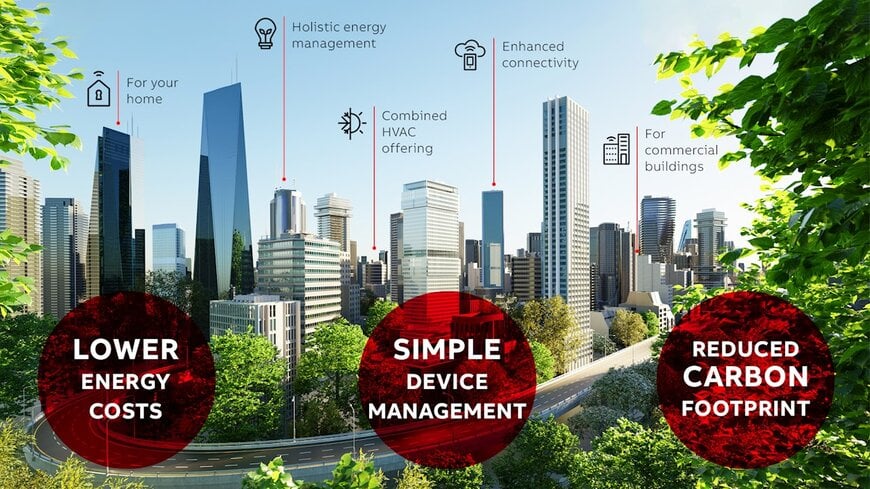
ABB and Samsung Electronics have collaborated to provide energy management and smart IoT connection for buildings. Infographic by ABB
Smart buildings and the net zero challenge
Globally, buildings consume about 30% of the total energy, which includes the energy used for the day to day operations of the building plus the energy used in its construction and building materials. Of the total energy consumed by buildings, electricity accounts for 35%, which is significant, considering that industry consumes just about 42% and commercial plus public services account for the rest. Today, smart buildings are playing a pivotal role in helping cities, companies, and countries meet the Net Zero Challenge – the drive to reduce greenhouse gas emissions to as close to zero as possible.
To begin with, smart buildings help optimise energy efficiency by integrating advanced automation, sensors, and AI-driven analytics to monitor and manage energy consumption in real-time. This includes: smart HVAC systems that adjust based on occupancy and weather; automated lighting using daylight harvesting and motion sensors; and energy usage analytics to detect and eliminate inefficiencies. These steps alone can reduce building energy consumption by up to 30-50%. In addition, integration of renewable energy into smart buildings, right from the planning stage, can reduce dependency on fossil fuels and cut Scope 2 emissions. Integration of rooftop solar panels and battery storage systems to use energy when needed can generate, store, and manage renewable energy on-site, creating microgrids to manage distributed energy resources efficiently. Smart buildings can thus dynamically adjust their power usage based on grid signals and participate in demand response programs by simple steps such as shifting energy-intensive tasks to off-peak hours and selling excess energy back to the grid. This will not only help decarbonise the power grid to a certain extent but also support grid stability.
Smart water and waste management figure next on this list of smart buildings ecosystems. Efficient plumbing systems, leak detection, and greywater recycling reduce water waste. Waste management systems track, sort, and minimise waste going to landfills. These steps cut down water usage and methane emissions from waste. Further, it is possible to incorporate Lifecycle Carbon Footprint Tracking through smart building platforms by using digital twins and BIM to monitor carbon-emissions from materials, construction, and renovation, and optimise building materials and processes. This enables low-carbon construction and retrofitting strategies.
The real benefit of smart buildings, however, is a healthier indoor environment with improved air quality, temperature, and lighting, which not only supports the well-being of the occupants, but also reduces reliance on carbon-heavy systems like constant heating/cooling. In addition, smart buildings generate rich data streams that feed into ESG (Environmental, Social, and Governance) reporting tools and sustainability dashboards, enabling compliance with green building certifications like LEED, WELL, BREEAM, and net-zero targets. By turning buildings from static energy consumers into intelligent, efficient, and sustainable assets, they not only reduce emissions but also serve as the foundation for smart cities and sustainable urban development.

Honeywell Forge for Buildings has delivered key outcomes at One Bangkok, the largest holistically integrated district in the heart of Bangkok. Photo by Honeywell
Future trends and technologies
There has been considerable movement forward in the smart buildings ecosystem during the last few years as indicated by various use cases. Smart buildings can significantly reduce energy consumption, with some studies suggesting potential savings of 18% or even higher. So what exactly will be the future of smart buildings?
Future smart buildings will be characterised by advanced IoT integration, AI-driven automation, and a strong focus on sustainability and occupant well-being. Key trends include predictive maintenance, enhanced security, and optimised energy consumption through real-time data analytics and smart building as a service models.
Here's a more detailed look at the future trends:
1. Advanced IoT and AI integration: Smart buildings will rely heavily on the IoT to connect various systems like lighting, HVAC, security, and access control. The AL/ML combination will automate building operations, optimise energy consumption, and enhance security. AI-driven systems will analyse data to predict potential equipment failures, allowing for proactive maintenance and minimising downtime. Virtual replicas of physical buildings will enable scenario planning, optimisation, and enhanced building management through data analysis.
2. Sustainability and energy efficiency: Smart buildings will strive to produce more energy than they consume, utilising renewable energy sources like solar panels and geothermal systems. Buildings will be able to interact with the smart grid to optimise energy consumption and potentially sell excess energy back to the grid. Smart buildings will leverage data analytics to identify areas for energy conservation and optimise resource utilisation. More and more buildings will incorporate natural elements like light and greenery to enhance occupant well-being and reduce energy consumption.
3. Enhanced security and safety: Facial recognition, behaviour monitoring, and other AI-powered technologies will enhance security and provide predictive capabilities. Robust security protocols, encryption, and regular updates will be crucial to protect connected systems from cyber threats. Voice and motion controls will minimise physical contact, promoting hygiene and reducing the spread of germs.
4. Occupant well-being and experience: Smart buildings will adapt to individual preferences, optimising lighting, temperature, and other factors for occupant comfort. Sensors will track and optimise air quality, ensuring healthy and comfortable environments. Smart buildings will integrate with transportation networks, offering convenient and efficient mobility solutions for occupants.
5. Smart Building as a Service (SBaaS): Building management systems will increasingly shift to cloud-based platforms for enhanced accessibility and scalability. Smart buildings will be designed to be flexible and adaptable to changing needs and technologies. Smart building ecosystems will be built around the collection and utilisation of data to guide decision-making and optimise performance.
6. Increased cybersecurity focus: Protecting connected systems is crucial, with emphasis on robust security measures. Keeping systems protected against new vulnerabilities is also important. Secure data transmission and access is a priority.
These trends indicate a future where smart buildings are not just more efficient and sustainable but also more responsive to the needs of occupants and the environment. As technology continues to evolve, smart buildings will play an increasingly crucial role in creating sustainable, comfortable, and efficient environments for all.
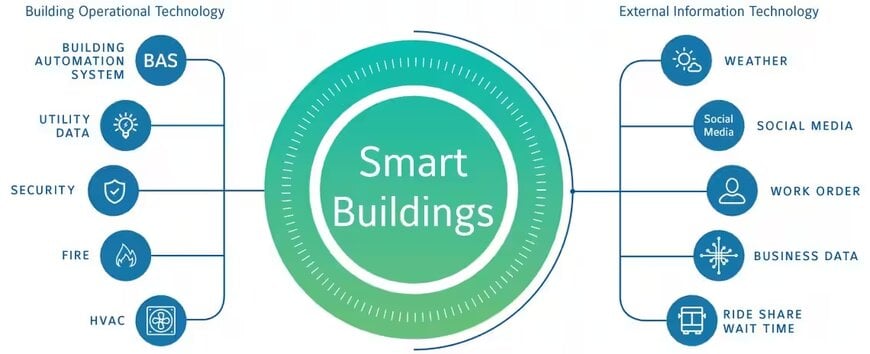
Leveraging building data, IoT, and AI to make buildings smart. Graphic by Johnson Controls
Challenges and considerations
So is everything fine on the smart buildings front? Well, not exactly. Once again, it is the same old story of technology being available but the usual arguments on the return of investment (RoI) and the short term gains seen in maintaining the status quo. But that is just part of the problem, not the whole story.
Implementation of smart building solutions faces several key challenges including high initial costs, cybersecurity concerns, interoperability issues, integration of legacy systems, lack of skilled personnel, and occupant privacy concerns, as seen in the following paragraphs.
1. High initial costs: Smart building technologies, including IoT devices, sensors, and software, can require a significant upfront investment. This includes the cost of hardware, software, installation, and potentially, ongoing subscription fees.
2. Cybersecurity concerns: Connecting building systems to the internet introduces vulnerabilities to cyberattacks. Smart buildings generate vast amounts of data, which needs to be secured. Robust security protocols and systems are crucial to protect against potential breaches.
3. Interoperability issues: Different smart building systems and devices may not always communicate seamlessly with each other. This can lead to data silos and hinder the smooth operation of the entire system.
4. Legacy system integration: Many existing buildings have outdated systems that are not compatible with modern smart technologies. Integrating these legacy systems with new technologies can be complex and costly.
5. Lack of skilled personnel: Implementing and maintaining smart building systems requires specialised knowledge and expertise. The demand for skilled professionals in this field is growing, but the supply may lag behind.
6. Occupant privacy concerns: Smart buildings often collect data on occupant presence, behaviour, and preferences. Some occupants may be wary of these data collection practices and concerned about their privacy.
Top 10 vendors of smart building systems
The top 10 vendors of smart building systems offer a wide range of solutions, from building management systems and energy management to security and automation, contributing significantly to the global smart building market.
ABB and Samsung Electronics have collaborated to provide energy management and smart IoT connection for buildings. Infographic by ABB
Smart buildings and the net zero challenge
Globally, buildings consume about 30% of the total energy, which includes the energy used for the day to day operations of the building plus the energy used in its construction and building materials. Of the total energy consumed by buildings, electricity accounts for 35%, which is significant, considering that industry consumes just about 42% and commercial plus public services account for the rest. Today, smart buildings are playing a pivotal role in helping cities, companies, and countries meet the Net Zero Challenge – the drive to reduce greenhouse gas emissions to as close to zero as possible.
To begin with, smart buildings help optimise energy efficiency by integrating advanced automation, sensors, and AI-driven analytics to monitor and manage energy consumption in real-time. This includes: smart HVAC systems that adjust based on occupancy and weather; automated lighting using daylight harvesting and motion sensors; and energy usage analytics to detect and eliminate inefficiencies. These steps alone can reduce building energy consumption by up to 30-50%. In addition, integration of renewable energy into smart buildings, right from the planning stage, can reduce dependency on fossil fuels and cut Scope 2 emissions. Integration of rooftop solar panels and battery storage systems to use energy when needed can generate, store, and manage renewable energy on-site, creating microgrids to manage distributed energy resources efficiently. Smart buildings can thus dynamically adjust their power usage based on grid signals and participate in demand response programs by simple steps such as shifting energy-intensive tasks to off-peak hours and selling excess energy back to the grid. This will not only help decarbonise the power grid to a certain extent but also support grid stability.
Smart water and waste management figure next on this list of smart buildings ecosystems. Efficient plumbing systems, leak detection, and greywater recycling reduce water waste. Waste management systems track, sort, and minimise waste going to landfills. These steps cut down water usage and methane emissions from waste. Further, it is possible to incorporate Lifecycle Carbon Footprint Tracking through smart building platforms by using digital twins and BIM to monitor carbon-emissions from materials, construction, and renovation, and optimise building materials and processes. This enables low-carbon construction and retrofitting strategies.
The real benefit of smart buildings, however, is a healthier indoor environment with improved air quality, temperature, and lighting, which not only supports the well-being of the occupants, but also reduces reliance on carbon-heavy systems like constant heating/cooling. In addition, smart buildings generate rich data streams that feed into ESG (Environmental, Social, and Governance) reporting tools and sustainability dashboards, enabling compliance with green building certifications like LEED, WELL, BREEAM, and net-zero targets. By turning buildings from static energy consumers into intelligent, efficient, and sustainable assets, they not only reduce emissions but also serve as the foundation for smart cities and sustainable urban development.
Honeywell Forge for Buildings has delivered key outcomes at One Bangkok, the largest holistically integrated district in the heart of Bangkok. Photo by Honeywell
Future trends and technologies
There has been considerable movement forward in the smart buildings ecosystem during the last few years as indicated by various use cases. Smart buildings can significantly reduce energy consumption, with some studies suggesting potential savings of 18% or even higher. So what exactly will be the future of smart buildings?
Future smart buildings will be characterised by advanced IoT integration, AI-driven automation, and a strong focus on sustainability and occupant well-being. Key trends include predictive maintenance, enhanced security, and optimised energy consumption through real-time data analytics and smart building as a service models.
Here's a more detailed look at the future trends:
1. Advanced IoT and AI integration: Smart buildings will rely heavily on the IoT to connect various systems like lighting, HVAC, security, and access control. The AL/ML combination will automate building operations, optimise energy consumption, and enhance security. AI-driven systems will analyse data to predict potential equipment failures, allowing for proactive maintenance and minimising downtime. Virtual replicas of physical buildings will enable scenario planning, optimisation, and enhanced building management through data analysis.
2. Sustainability and energy efficiency: Smart buildings will strive to produce more energy than they consume, utilising renewable energy sources like solar panels and geothermal systems. Buildings will be able to interact with the smart grid to optimise energy consumption and potentially sell excess energy back to the grid. Smart buildings will leverage data analytics to identify areas for energy conservation and optimise resource utilisation. More and more buildings will incorporate natural elements like light and greenery to enhance occupant well-being and reduce energy consumption.
3. Enhanced security and safety: Facial recognition, behaviour monitoring, and other AI-powered technologies will enhance security and provide predictive capabilities. Robust security protocols, encryption, and regular updates will be crucial to protect connected systems from cyber threats. Voice and motion controls will minimise physical contact, promoting hygiene and reducing the spread of germs.
4. Occupant well-being and experience: Smart buildings will adapt to individual preferences, optimising lighting, temperature, and other factors for occupant comfort. Sensors will track and optimise air quality, ensuring healthy and comfortable environments. Smart buildings will integrate with transportation networks, offering convenient and efficient mobility solutions for occupants.
5. Smart Building as a Service (SBaaS): Building management systems will increasingly shift to cloud-based platforms for enhanced accessibility and scalability. Smart buildings will be designed to be flexible and adaptable to changing needs and technologies. Smart building ecosystems will be built around the collection and utilisation of data to guide decision-making and optimise performance.
6. Increased cybersecurity focus: Protecting connected systems is crucial, with emphasis on robust security measures. Keeping systems protected against new vulnerabilities is also important. Secure data transmission and access is a priority.
These trends indicate a future where smart buildings are not just more efficient and sustainable but also more responsive to the needs of occupants and the environment. As technology continues to evolve, smart buildings will play an increasingly crucial role in creating sustainable, comfortable, and efficient environments for all.
Leveraging building data, IoT, and AI to make buildings smart. Graphic by Johnson Controls
Challenges and considerations
So is everything fine on the smart buildings front? Well, not exactly. Once again, it is the same old story of technology being available but the usual arguments on the return of investment (RoI) and the short term gains seen in maintaining the status quo. But that is just part of the problem, not the whole story.
Implementation of smart building solutions faces several key challenges including high initial costs, cybersecurity concerns, interoperability issues, integration of legacy systems, lack of skilled personnel, and occupant privacy concerns, as seen in the following paragraphs.
1. High initial costs: Smart building technologies, including IoT devices, sensors, and software, can require a significant upfront investment. This includes the cost of hardware, software, installation, and potentially, ongoing subscription fees.
2. Cybersecurity concerns: Connecting building systems to the internet introduces vulnerabilities to cyberattacks. Smart buildings generate vast amounts of data, which needs to be secured. Robust security protocols and systems are crucial to protect against potential breaches.
3. Interoperability issues: Different smart building systems and devices may not always communicate seamlessly with each other. This can lead to data silos and hinder the smooth operation of the entire system.
4. Legacy system integration: Many existing buildings have outdated systems that are not compatible with modern smart technologies. Integrating these legacy systems with new technologies can be complex and costly.
5. Lack of skilled personnel: Implementing and maintaining smart building systems requires specialised knowledge and expertise. The demand for skilled professionals in this field is growing, but the supply may lag behind.
6. Occupant privacy concerns: Smart buildings often collect data on occupant presence, behaviour, and preferences. Some occupants may be wary of these data collection practices and concerned about their privacy.
Top 10 vendors of smart building systems
The top 10 vendors of smart building systems offer a wide range of solutions, from building management systems and energy management to security and automation, contributing significantly to the global smart building market.
- Siemens: A German conglomerate with a strong presence in power generation, intelligent infrastructure, and distributed energy systems.
- Honeywell: Known for its focus on energy-efficient advanced controls and innovative solutions for smart buildings.
- Schneider Electric: A leader in digital automation and energy management, offering open innovation platforms for quick connectivity of IoT devices.
- Johnson Controls: Specialises in electronics and HVAC equipment for buildings, with a strong position in building automation.
- ABB: Provides comprehensive smart building solutions, including real-time data, operational analytics, and solutions for smarter, more efficient buildings.
- Cisco: A key player in smart building solutions, offering systems for multi-residential buildings that mitigate water and fire damage.
- Hitachi: Offers a range of smart building solutions, including energy management, security systems, and building automation, with a focus on advanced analytics and AI.
- IBM: A major player in the smart grid market, supporting smart grid uptake through solutions like the Maximo Application Suite.
- Legrand: A global leader in home automation, offering a wide range of sustainable electric infrastructure solutions.
- Huawei: A major player in the smart building market, particularly in China, with solutions for energy management, security, and automation.

Smart buildings stand at the forefront of the Net Zero movement. Photo by Peng Liu on Pexels.
Conclusion
Summing up, smart buildings stand at the forefront of the Net Zero movement, acting as critical enablers of energy efficiency, sustainability, and reduced carbon emissions. By leveraging intelligent automation, real-time data analytics, and integrated energy management systems, these buildings not only minimise environmental impact but also enhance occupant comfort and operational efficiency. As the global push towards decarbonisation accelerates, smart buildings will play an indispensable role in achieving climate goals, serving as scalable, adaptable models for sustainable urban development and responsible resource usage in the built environment.
