
Depot Charging Enables Electric Truck Operations
KEBA eMobility supports Braucommune Freistadt in deploying depot charging infrastructure to ensure reliable electric truck operations and controlled energy management.
www.keba.com
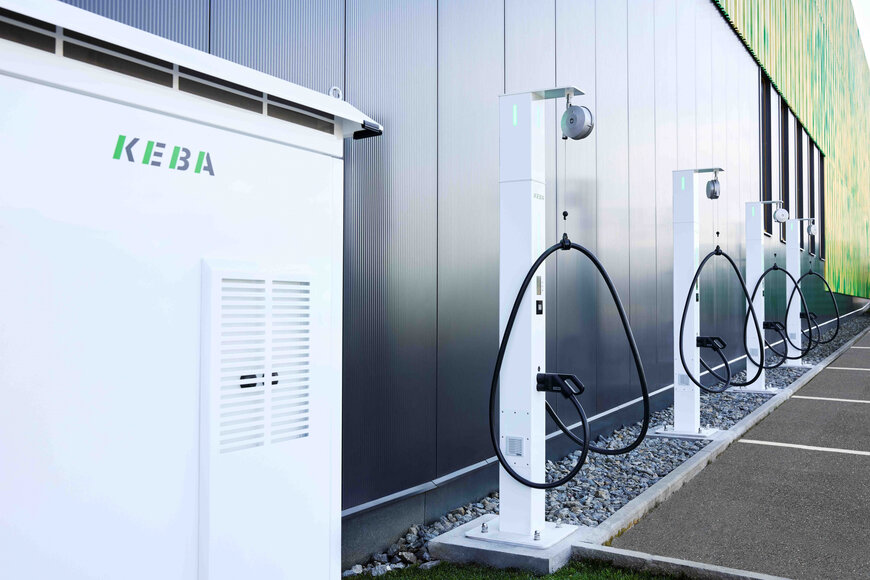
Braucommune Freistadt, an Austrian brewery operating scheduled logistics routes, deployed a depot-based electric vehicle charging infrastructure with KEBA eMobility to support the electrification of its truck fleet. The system combines modular fast-charging hardware, energy management, and digital monitoring to ensure operational continuity in daily transport cycles.
Operational Context and Challenges
The brewery operates fixed delivery routes with strict schedules, requiring high vehicle availability. Each electric truck covers approximately 300 km per day, returning to the depot by evening and departing again early morning. This operational model imposes a defined overnight charging window with an energy requirement of around 400 kWh per vehicle, corresponding to an average charging power of approximately 40 kW.
Such requirements introduce constraints on grid capacity, particularly when multiple vehicles charge simultaneously. Without coordinated load management, peak demand could exceed available infrastructure capacity, potentially requiring costly grid upgrades.
Additional constraints include integration within an existing depot environment, where space limitations, vehicle circulation, and environmental conditions such as dust and humidity affect infrastructure design. The system must also ensure traceability of charging sessions and compliance with metering regulations.
Technical Solution and System Architecture
To address these requirements, KEBA eMobility implemented a modular DC charging architecture separating power units from charging points. The system consists of centralized power units and distributed dispensers positioned close to parking areas.
This configuration reduces the spatial footprint of charging points while allowing flexible layout within constrained depot environments. Distances of up to 70 meters between power units and dispensers enable optimized infrastructure placement without disrupting logistics operations.
At system level, dynamic load management distributes available electrical capacity across connected vehicles. Charging power is adjusted in real time based on vehicle arrival, departure schedules, and state of charge. This prevents grid overload while ensuring that all vehicles reach required charge levels before deployment.
The system is monitored through a centralized digital platform providing real-time visibility of charging sessions, energy consumption, and system status. RFID-based authentication ensures accurate allocation of energy usage to individual vehicles, supporting both operational tracking and compliance with regulatory frameworks.
Integration of Energy Systems
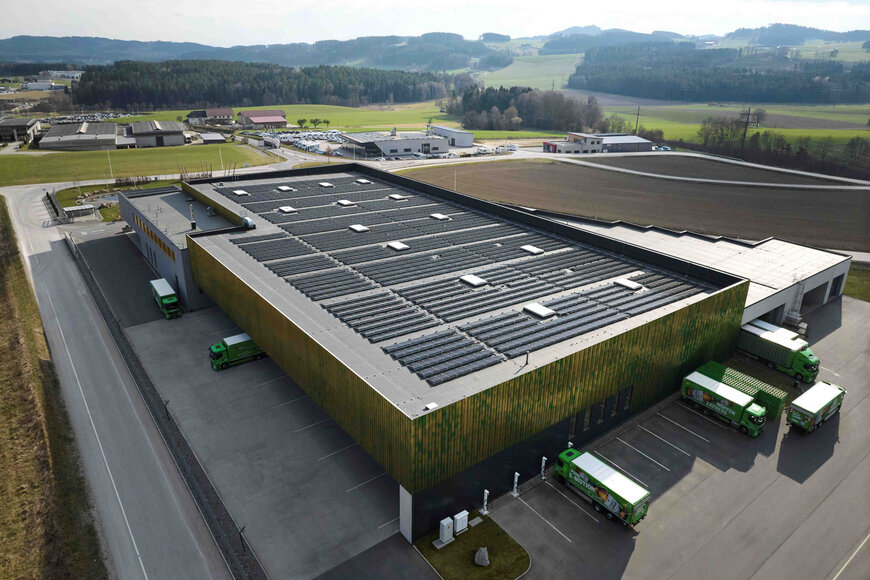
The infrastructure integrates on-site photovoltaic generation and energy storage. Locally produced energy is prioritised for vehicle charging, while storage systems help smooth demand peaks and reduce reliance on grid supply during high-load periods.
This combined approach transforms the depot from a passive energy consumer into an actively managed energy node, capable of balancing production, storage, and consumption according to operational needs.
Deployment and Operational Impact
The modular architecture allows phased expansion aligned with fleet electrification. Additional charging points or power capacity can be integrated without redesigning the entire system, supporting long-term scalability.
Operationally, the system ensures that all vehicles are fully charged within the available downtime, maintaining schedule reliability. Dynamic energy management reduces peak loads, limiting infrastructure investment while maintaining performance.
From an economic perspective, optimized energy usage and integration of renewable sources contribute to lower operating costs and improved return on infrastructure investment.
Application Scope
The solution is applicable to logistics operators, industrial fleets, and municipal services with predictable duty cycles and depot-based operations. It supports the transition to electric mobility by combining charging infrastructure with energy management and digital monitoring, ensuring reliability in energy-intensive transport applications.
Edited by an industrial journalist, Lekshman Ramdas, with AI assistance.
www.keba.com
